

IRIS for Defense
The challenge
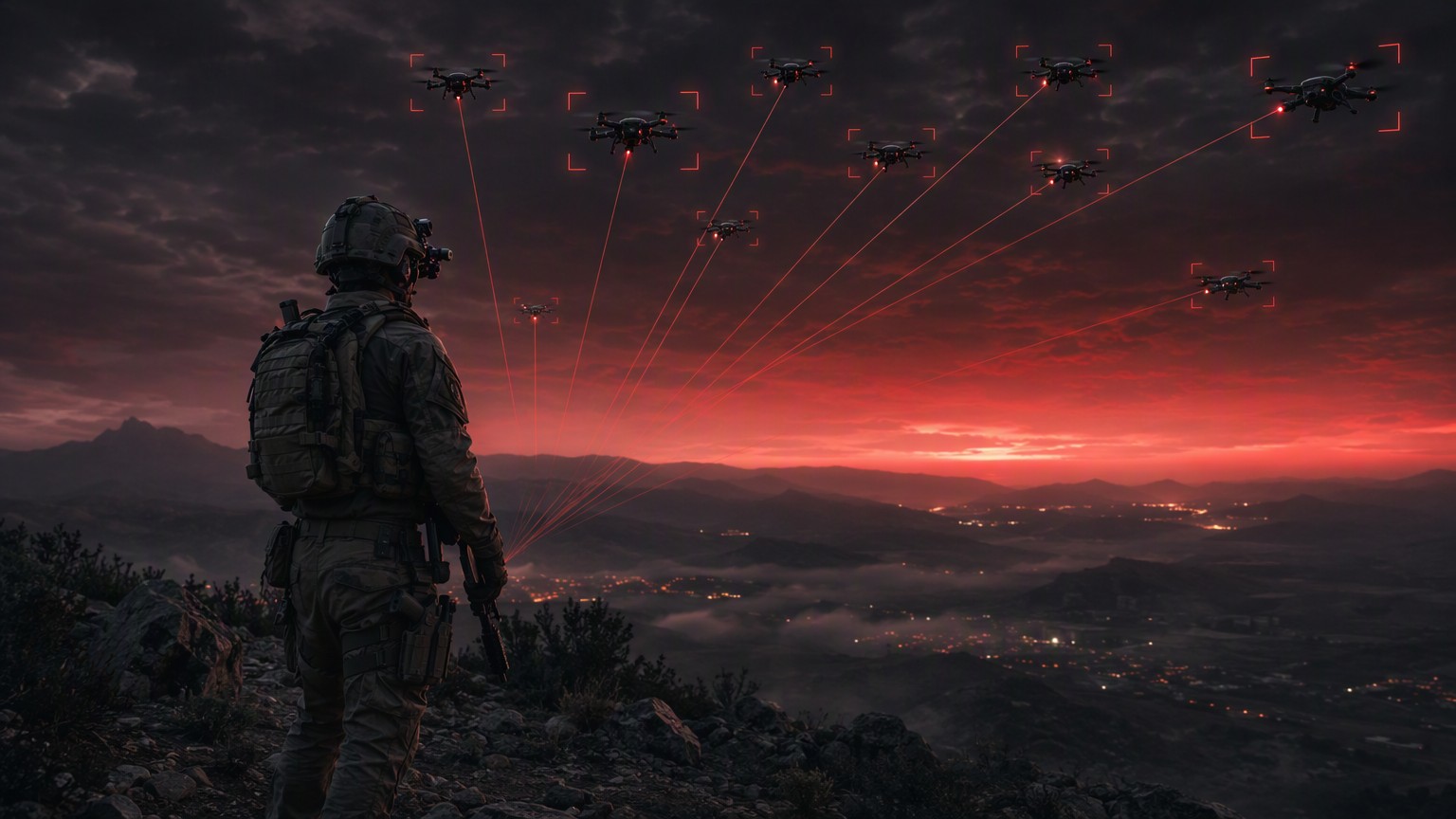
The modern soldier is exposed.
Autonomous threats define modern battlefields. Detection, decision and response remain fragmented at the operator level.
60-80%
of battlefield reconnaissance is drone-enabled.1
90%+
of counter-UAS systems are built for fixed or vehicle defense, not individual operators.2
5-15 sec
or less. The detection and response window against low-altitude threats.3
Exposure is lethal.
¹ RUSI, Tactical Developments in the Third Year of the Russo-Ukrainian War, Feb 2025.
² Congressional Research Service, R48477, DoD Counter-UAS, 2025; U.S. Army FY25 C-UAS budget submission.
³ Ukraine and IDF counter-FPV field reporting, 2024 to 2025; based on FPV speeds of about 130 km/h across typical detection ranges.
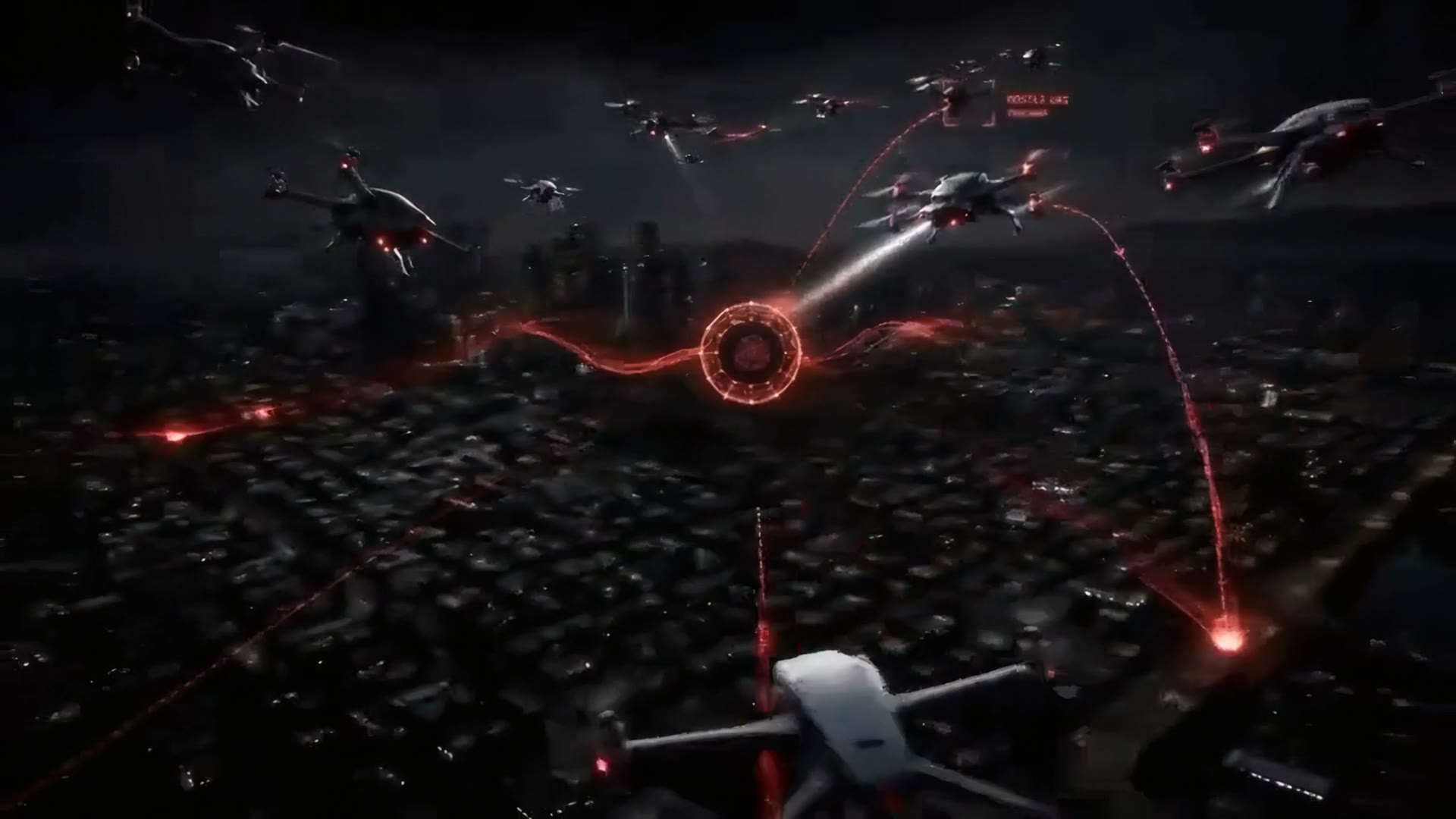
Simulated interface
Every system. One operator interface.
01
Detect
Identify threats in real time.
02
Decide
Validate and assign the response.
03
Execute
Deploy autonomous interception.
Operators designate. IRIS executes.
Explore IRIS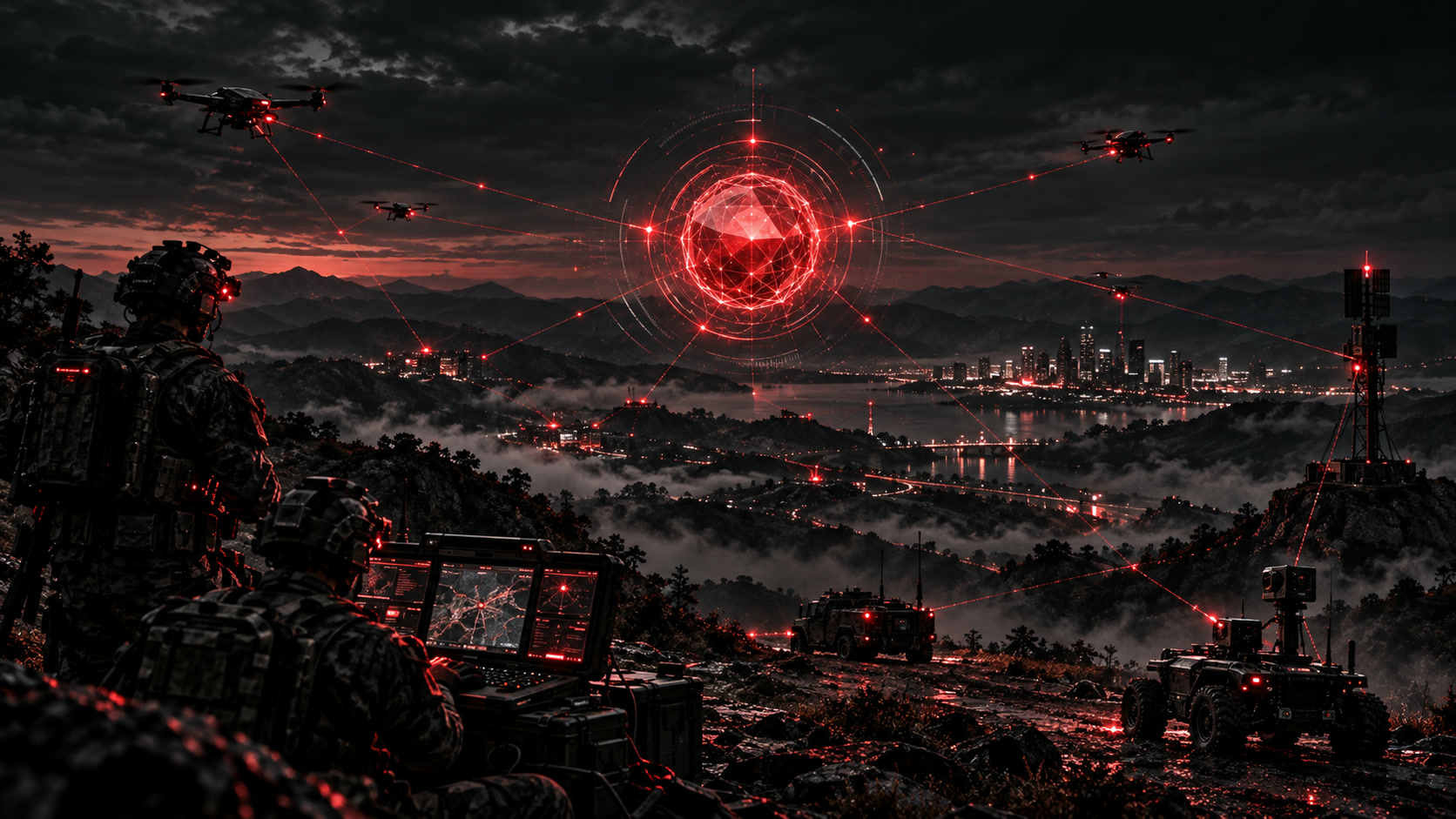
The solution
IRIS. Interoperable Response and Intelligence System.
One orchestrator where detection, decision and response are connected. Real-time coordination across drones, sensors and operators.
The architecture
One orchestrator. Every system connected.
Data sets, drones, robotics and sensors connected through an agentic command layer.
MCP
Modular. Coordination across mission systems.
A2A
Agentic. Systems negotiate resources with each other.
NANDA
Autonomous. Decision-making in dynamic battlespace.
Core LLM core / Memory / RAG
Decode. Normalize. Authenticate. Rate-limit. Audit.
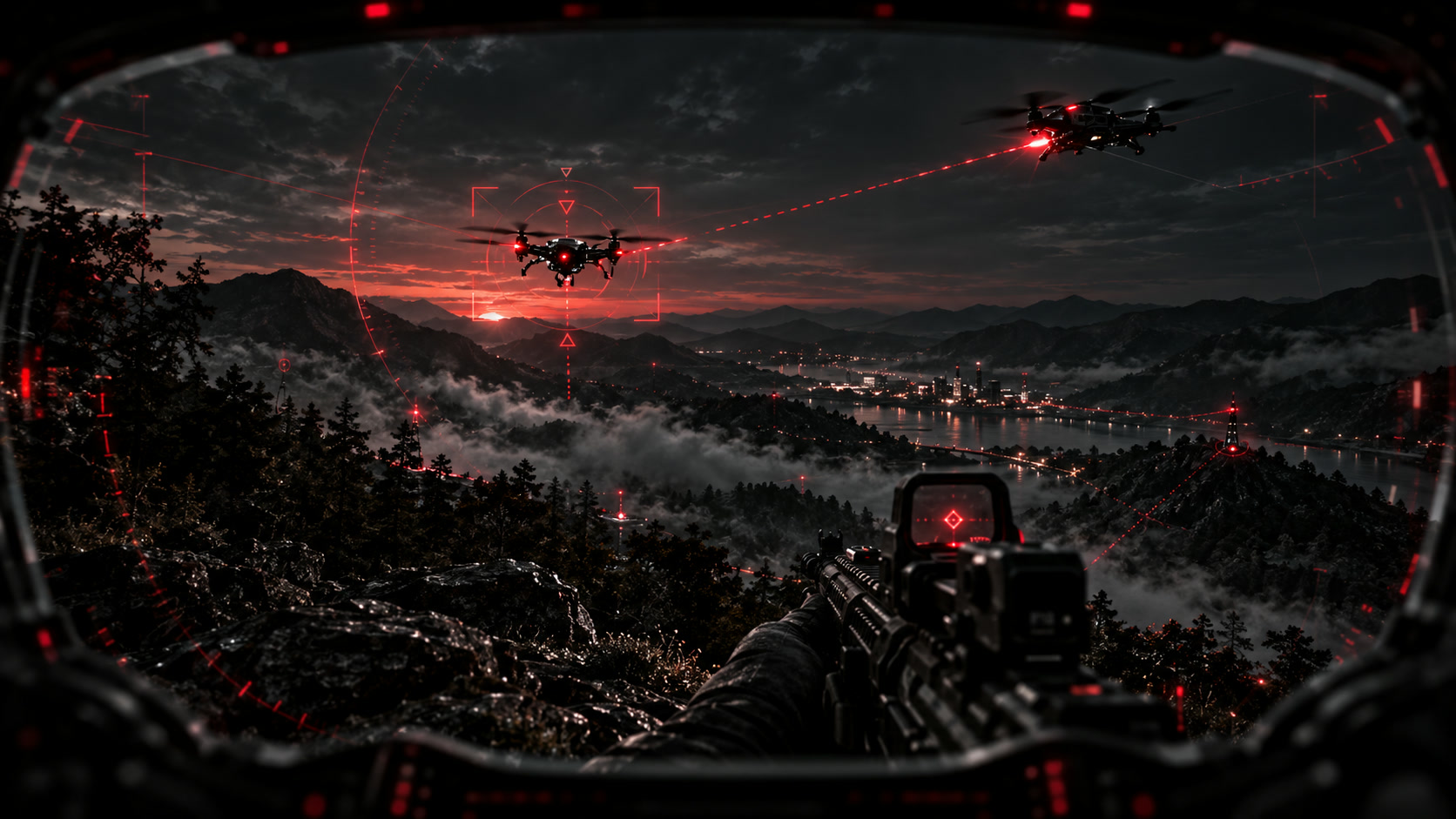 Simulated interface
Simulated interface
What the operator sees.
Threats, assets and system status in the operator's field of view. Designate by gaze, gesture or voice. Authorize. The interceptor does the rest while the operator moves to the next target.
Built for the real world
A human authorizes. Every time.
Human in the loop
Every action requires operator authority.
Degraded-mode resilient
Built to operate in low-connectivity and contested environments.
Fully auditable
Every decision and every action is logged for review.
Modular and open
Works across a wide range of drones, sensors and systems.
The category we are creating
Not AI analytics. Not drone hardware. Not fixed-site defense.
Every vendor owns a layer. OMNI X runs above them: operator-level orchestration at the tactical edge, where the action happens.
Vertical wins inside one stack. IRIS works across stacks.
OMNI X / IRIS
Operator-level orchestration.

Why now
Autonomous threats are evolving faster than defense systems can respond.
The gap is real-time coordination at the operator level.
- 01
Drone warfare is proven at scale. Cheap autonomous systems now decide engagements.
- 02
Budgets are accelerating. Counter-UAS and autonomy budgets are accelerating, and procurement vehicles such as SBIR, OTA and TACFI reward integrators, not only platform builders.
- 03
Agentic AI has crossed the threshold. Real-time multi-system orchestration is now buildable by a small team.
- 04
Every vendor is shipping a closed ecosystem. The window to become the neutral orchestration layer is open now, and it closes as lock-in hardens.
$20.6B
DoD FY27 budget request for counter-UAS, up 424% on FY26 enacted.4
⁴ DoD FY27 budget request; CRS R48477.
Built by operators and system architects
The people building it have been in the field and in the code.
01 / CEO
Cesar R. Hernandez
15+ years in government affairs and procurement. Oxford MBA, Harvard MPA.
02 / CSO
Thomas Payne
20+ years in special operations and high-risk mission environments. Medal of Honor recipient.
03 / CTO
Mark Hammonds
20+ years building complex software across government and enterprise. Core contributor to Project Maven.
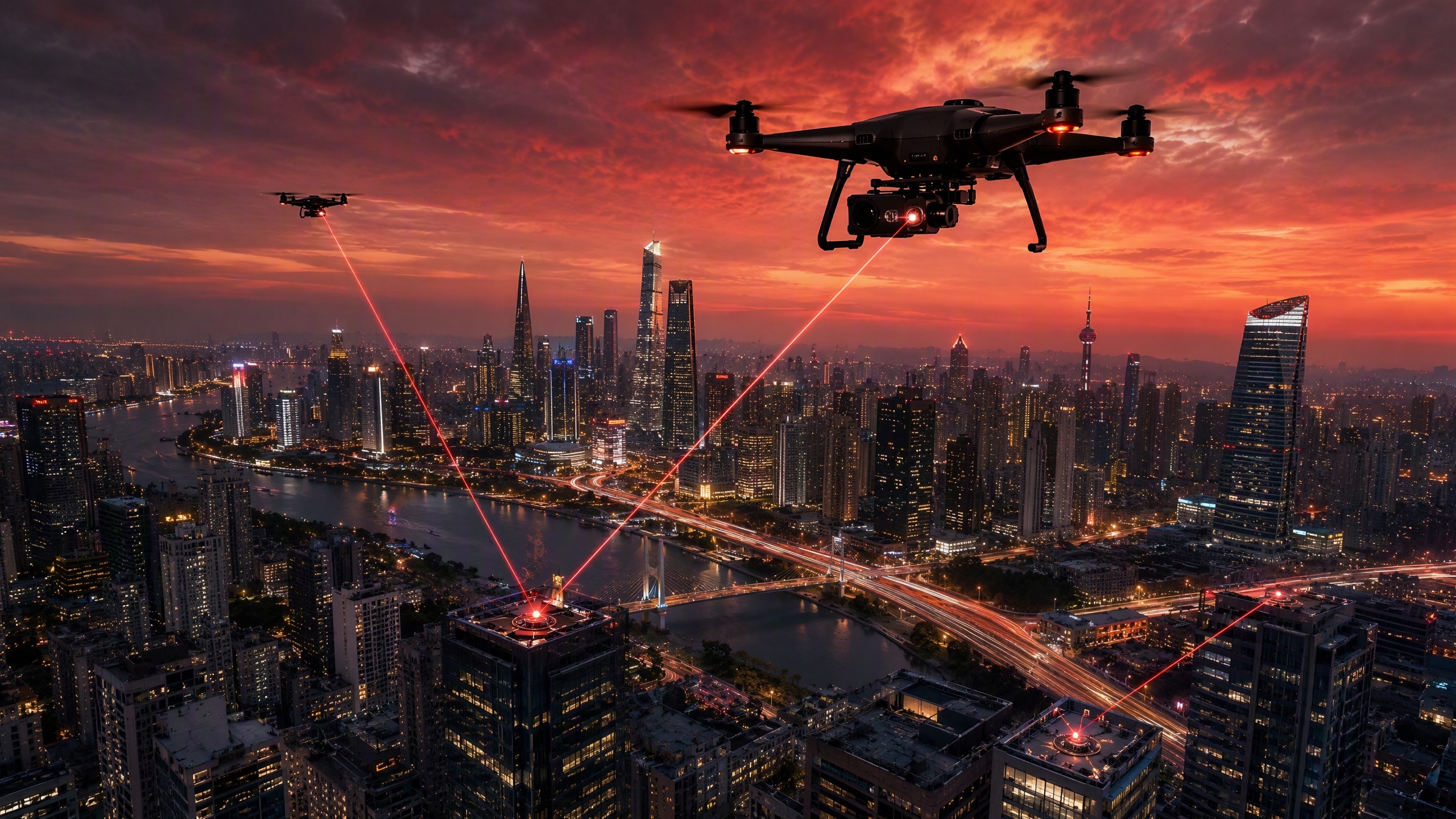
The defense OS for the autonomous defense era.
Briefings are open to defense operators, program offices and public sector agencies.